
Uniswap V4 Launch Drives Record Trading Volume
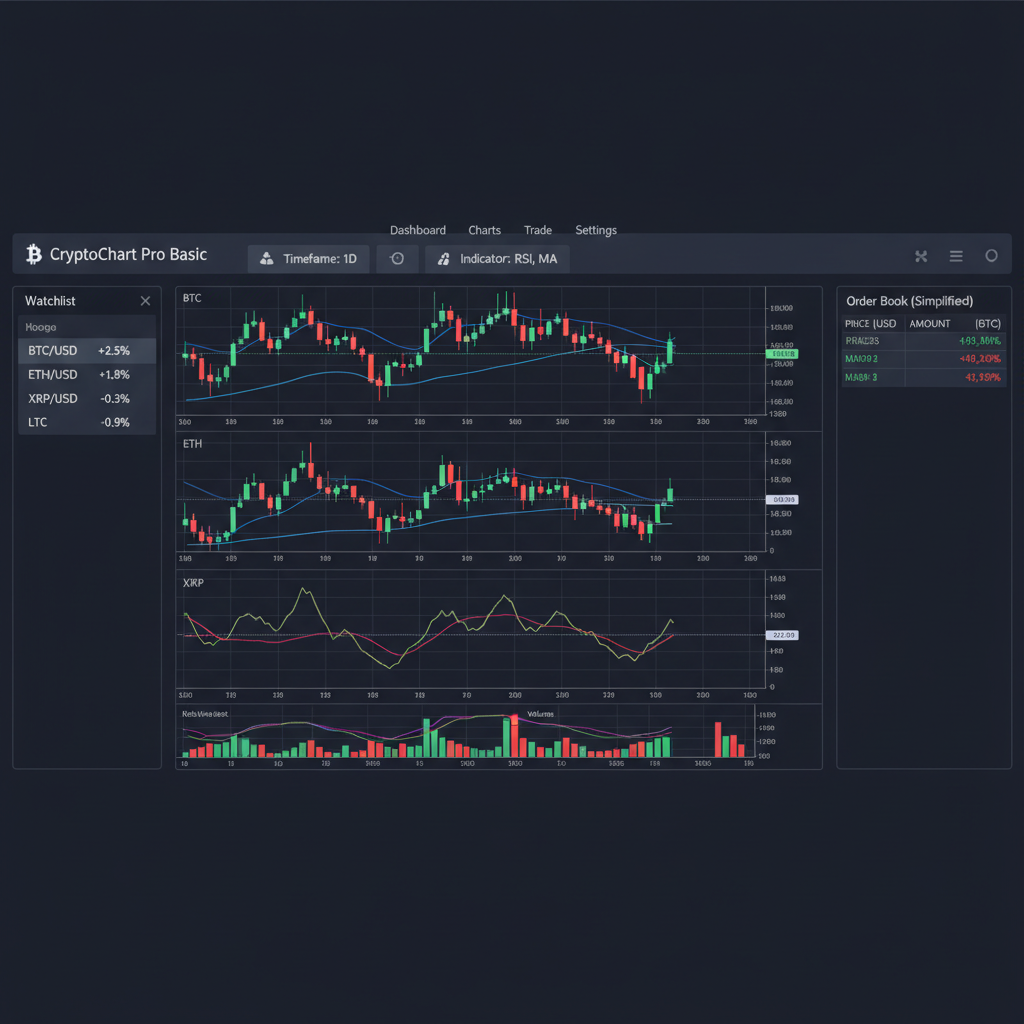
Uniswap V4 has delivered on its ambitious promises, with the protocol recording daily trading volumes exceeding $8 billion in its first month of operation — a new all-time high that surpasses even the most optimistic projections. The launch of V4's "hooks" architecture has fundamentally transformed what is possible in decentralized exchange design.
Hooks are smart contract plugins that can be attached to Uniswap liquidity pools, executing custom logic at key points in the trading lifecycle — before and after swaps, when liquidity is added or removed, and when positions are modified. This seemingly simple addition has unleashed an explosion of innovation, with developers building everything from dynamic fee structures to on-chain limit orders to MEV-resistant trading mechanisms.
The most popular hook implementations have been dynamic fee hooks, which adjust trading fees based on market volatility. During periods of high volatility, fees automatically increase to compensate liquidity providers for the elevated risk of impermanent loss. During calm markets, fees decrease to attract more trading volume. This dynamic pricing has significantly improved capital efficiency for liquidity providers.
"Hooks are to Uniswap what the App Store was to the iPhone," said Marcus Johnson, DMTV's DeFi Correspondent. "They've transformed a single-purpose protocol into a platform. The innovation happening on top of Uniswap V4 right now is extraordinary — we're seeing use cases that nobody anticipated when the hooks architecture was first proposed."
The introduction of singleton contracts — a single contract managing all Uniswap pools rather than a separate contract per pool — has dramatically reduced gas costs for multi-hop trades. Complex trades that previously required multiple contract interactions can now be executed in a single transaction, reducing costs by up to 99% for certain trading paths.
Concentrated liquidity, introduced in V3, has been enhanced in V4 with better tooling for liquidity managers. Several automated liquidity management protocols, including Arrakis Finance and Gamma Strategies, have built sophisticated rebalancing strategies on top of V4 that allow passive liquidity providers to earn yields comparable to active management.
The competitive landscape for DEXs has responded to Uniswap's dominance with innovation of their own. Curve Finance has launched its own hooks-like system, while new entrants like Ekubo on StarkNet are pushing the boundaries of what's possible with ZK-proof-based trading. The competition is ultimately beneficial for users, who are seeing better prices, lower fees, and more sophisticated trading tools.
Total value locked in Uniswap V4 has reached $22 billion, making it the largest DeFi protocol by TVL. The protocol has processed over $500 billion in cumulative trading volume since launch, generating over $1 billion in fees for liquidity providers. These metrics underscore Uniswap's position as the backbone of DeFi liquidity infrastructure.